

That sharp, sudden pain when you sip something cold or bite into something sweet — it stops you mid-meal, and it’s hard to ignore. Tooth sensitivity is one of the most common dental complaints, yet many people put up with it, assuming it will pass. Sometimes it does. Often, it won’t — and in some cases, it’s pointing to something that needs attention.
This guide covers what’s actually happening when your teeth hurt, how to manage it at home, and what a dentist can do when home care isn’t enough.
What Causes Sensitive Teeth?
Sensitivity happens when dentine — the inner layer of your tooth — becomes exposed. Dentine contains tiny channels that connect directly to the nerve. When those channels are open to temperature, pressure, or acidic substances, you feel it immediately.
Several things lead to dentine exposure:
- Worn enamel — The outer surface of your tooth erodes from acidic foods and drinks, aggressive brushing, or years of use. Once enamel is lost, it doesn’t regenerate, which is why sensitivity from enamel wear tends to worsen gradually over time.
- Receding gums — When gum tissue pulls back, the root of the tooth is exposed. Root surfaces have no enamel, so they’re particularly sensitive to temperature and touch.
- Cracked or chipped teeth — Even a hairline crack can expose dentine or allow bacteria to reach the nerve, causing sharp, localised pain that’s often worse when biting down.
- Tooth decay — Cavities break down enamel and dentine, leaving the nerve vulnerable. Sensitivity limited to a single tooth is often misdiagnosed until ruled out by a dentist.
- Grinding (bruxism) — Habitual clenching or grinding wears down enamel over time, usually without the person being aware it’s happening. Many people only find out at a routine check-up.
- Acidic erosion — Frequent exposure to acidic foods and drinks softens and erodes enamel over time, even in people who otherwise have good oral hygiene habits.
- Recent dental work — It’s normal to experience some sensitivity after fillings, crowns, or a scale and clean. This usually settles within a few weeks without any specific intervention.
Understanding which of these applies to your situation matters because the right management depends on the cause.
How to Stop Sensitive Teeth at Home
Mild to moderate sensitivity can often be managed at home with a few consistent habit changes. These won’t reverse structural causes like gum recession or enamel loss, but they reduce irritation and slow further damage.
Switch to a desensitising toothpaste — Toothpastes for sensitive teeth often include compounds such as potassium nitrate or stannous fluoride that gradually block dentinal tubules. Use it consistently — results build over several weeks, not overnight.
Using a soft-bristled toothbrush with light pressure, and medium- and hard-bristled brushes combined with aggressive scrubbing, can accelerate enamel wear and contribute to gum recession. A soft brush, used with gentle circular strokes, cleans just as effectively without causing damage.
Rinse daily with a fluoride mouthwash — Fluoride strengthens enamel and supports remineralisation of weakened tooth surfaces. A daily rinse adds a layer of protection beyond toothpaste alone.
Limit acidic food and drinks — You don’t need to cut them out, but frequency matters. Having acidic foods with meals rather than sipping them throughout the day reduces overall exposure of your enamel.
Wait 30 minutes before brushing after acidic intake — Acid temporarily softens enamel. Brushing immediately after removes that softened layer. Rinsing with water straight after eating or drinking something acidic is a simple way to reduce the impact.
If you’re using a whitening toothpaste daily, it’s worth switching to a standard sensitive formula instead. Compared to regular toothpaste, whitening formulas are more abrasive and can increase sensitivity over time.
Professional Sensitive Teeth Treatment Options
When home management isn’t providing relief — or when the cause is structural — a dentist can offer targeted treatment. The appropriate option depends entirely on what’s driving the sensitivity.
Fluoride varnish
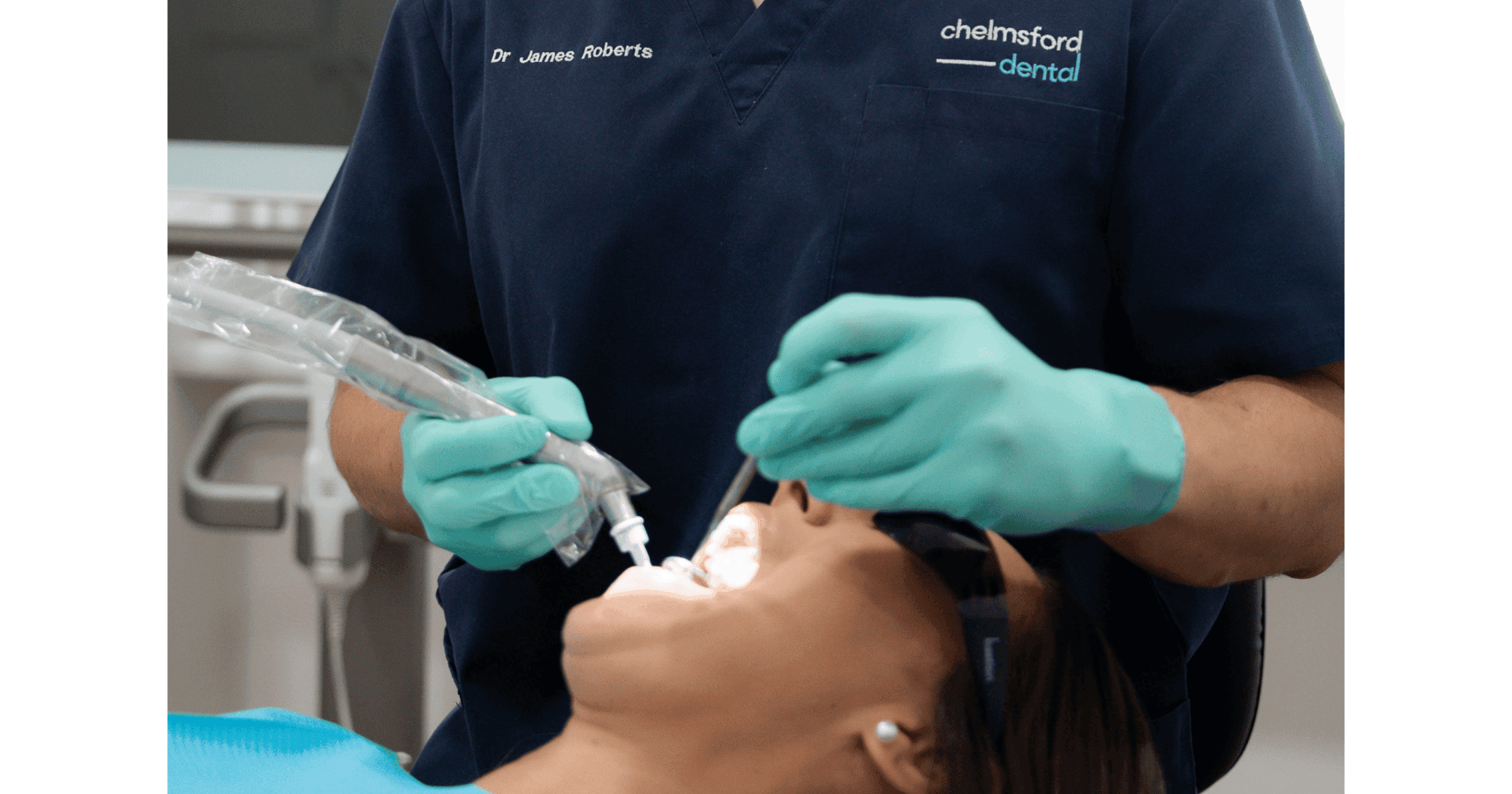
Applied in-chair, fluoride varnish strengthens tooth surfaces and helps seal exposed dentinal tubules. It’s non-invasive, takes only a few minutes, and is often the first step for generalised sensitivity.
Bonding agents or dental sealants
A thin layer of dental resin can be applied over exposed dentine or root surfaces, acting as a barrier between the nerve and external triggers. This is particularly useful where gum recession has left root surfaces exposed.
Gum grafting for recession
When recession is the primary cause, and it’s significant enough that bonding isn’t sufficient, a gum graft restores tissue coverage over the exposed root. This addresses the source of the problem rather than managing symptoms.
Night guard for grinding
A custom-fitted night guard worn during sleep protects enamel from further damage caused by clenching or bruxism. It won’t reverse existing wear, but it prevents it from progressing.
Treating decay or cracks
If sensitivity is traced to a cavity or cracked tooth, a filling, crown, or other restoration addresses the underlying issue directly. Sensitivity from decay won’t improve until the decay itself is treated.
When the nerve is already inflamed or infected, root canal treatment may be necessary. This is less common, but it’s the appropriate path when the nerve can no longer be preserved through other means.
When Sensitivity Signals Something More Serious
Mild cold sensitivity that resolves quickly is common and often manageable. Some patterns, however, shouldn’t be left to resolve on their own.
- Pain that lingers after the trigger is gone — Brief sensitivity is typical. If pain continues for more than 30 seconds after exposure to heat or cold, that suggests nerve involvement rather than surface sensitivity.
- Pain when biting down — Sensitivity triggered by pressure, rather than temperature, points to a crack, fracture, or structural problem.
- Spontaneous, throbbing pain — Deep, aching pain that comes on without any trigger can indicate pulpitis or a developing abscess.
- Sudden onset or rapid worsening — Sensitivity that appears without an obvious cause and escalates warrants prompt assessment. A cracked tooth or abscess can present this way.
- Swelling around a tooth or gum — Any swelling combined with tooth pain needs same-day attention. This is a potential sign of dental infection that won’t resolve without treatment.
These symptoms don’t always indicate something serious, but they require a proper examination to rule out anything serious.
Frequently Asked Questions About Sensitive Teeth
Can sensitive teeth go away on their own?
Sensitivity from a recent filling, scaling, and cleaning typically settles within a few weeks. When sensitivity is caused by enamel wear, gum recession, or a cracked tooth, it won’t resolve without treatment. The discomfort may become easier to manage with desensitising toothpaste, but the underlying structural issue remains. If it’s been more than a few weeks or it’s getting worse, have it assessed.
What is the best toothpaste for sensitive teeth?
Toothpastes containing potassium nitrate, stannous fluoride, or arginine are formulated to reduce sensitivity by blocking dentinal tubules. Consistent daily use over several weeks is needed to see results. If sensitivity continues despite using one of these products, a dentist can assess whether a different approach is needed.
Does whitening cause permanent sensitivity?
Whitening-related sensitivity is almost always temporary. The active agents used in both professional and over-the-counter whitening temporarily affect dentine, which increases sensitivity during and shortly after treatment. For most people, this resolves within a few days. If you already have sensitive teeth, discuss whitening with your dentist before starting so the approach can be adjusted to minimise discomfort.
Is sensitivity always a sign of a cavity?
No, but a cavity is one possible cause. If your sensitivity is isolated to one tooth, has appeared recently, or is progressively worsening, it’s worth having it checked. A dental examination will identify whether decay is involved or whether the sensitivity has a different cause.
Sensitive Teeth Treatment in Mount Lawley
If sensitive teeth are affecting what you eat, drink, or enjoy day to day, finding the cause is the right starting point. At Chelmsford Dental Mount Lawley, we see patients from Mount Lawley, Highgate, Inglewood, Maylands, Menora, and the surrounding Perth CBD area seeking straightforward answers to persistent tooth sensitivity.
We’ll assess what’s driving your sensitivity and recommend a treatment approach that fits your situation — whether that’s a simple fluoride application or something more involved.
Call us on (08) 6146 2555 or book online. You’ll find us at 2 Chelmsford Road in Mount Lawley WA.