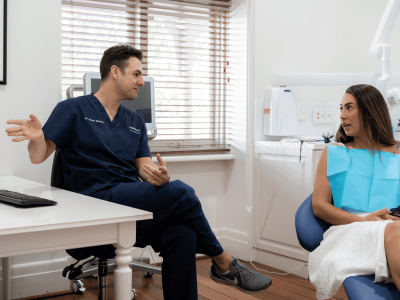
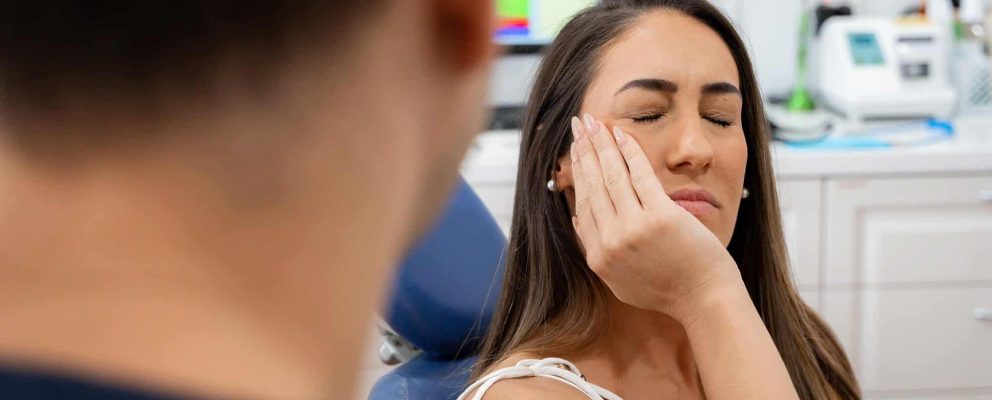
Waking up with a sore jaw, aches in the head or sore teeth may be annoying, especially when you are not sure why it is happening. One very common cause is teeth grinding at night, also called sleep bruxism.
Bruxism can range from mild clenching to heavy grinding that wears teeth down over time. The sooner it is detected, the less trouble you will have to face in the long-term damage to your teeth and jaw.
At Chelmsford Dental Mount Lawley, we help patients from Mount Lawley and surrounding suburbs like Highgate, North Perth, Inglewood, Maylands, and Bayswater manage bruxism with practical, evidence-informed options, including custom night guards, bite assessments, and lifestyle guidance.
What is Bruxism?
Bruxism is repetitive jaw muscle activity, most often involving:
- Clenching
- Grinding
- Bracing or thrusting the jaw
Some people clench during the day when concentrating or stressed, while others grind mainly during sleep. Many people with sleep bruxism do not realise it is happening until symptoms appear—or until a partner notices grinding sounds.
Sleep bruxism is regarded as a sleep movement disorder, which is why it may also be affected by other disorders, such as snoring or sleep apnoea.
Common Signs You Might Be Grinding Your Teeth at Night
Bruxism can look different from person to person. Common signs include:
- Morning jaw soreness or tightness
- Headaches, especially around the temples
- Tooth sensitivity to hot, cold, or sweet foods
- Chipped edges or small fractures in teeth
- Flattened, worn-down biting surfaces
- Cracks in fillings or repeated filling repairs
- Neck or shoulder tension
- Clicking, popping, or pain around the jaw joint (TMJ)
- Poor sleep quality or waking frequently
Important: You do not need to hear grinding to have bruxism. Silent clenching can still cause significant muscle fatigue and dental wear.
Why Do People Grind Their Teeth at Night?
Bruxism is usually multi-factorial. Common contributors include:
Stress and Anxiety
High stress levels—whether from work, family, or major life events—are one of the most common triggers for teeth grinding. Even “positive stress” such as planning a wedding or moving house can lead to the tightening of the jaw.
Bite and Tooth Alignment Factors
While bruxism is not always caused by bite issues, uneven teeth, missing teeth, or irregular contacts can contribute to overload on certain teeth.
Sleep Factors
Sleep bruxism is linked with arousal responses during sleep and may occur alongside:
- Snoring
- Sleep apnoea
- Nasal congestion or mouth breathing
Lifestyle Factors
- High caffeine intake, particularly late in the day
- Alcohol, which can disrupt sleep cycles
- Smoking
Medicines
Some medicines, including certain antidepressants and stimulants, can increase the likelihood of teeth grinding in susceptible individuals.
What Damage Can Bruxism Cause?
Repeated grinding and clenching can lead to:
- Tooth wear – Teeth become shorter, flatter, and more sensitive
- Cracks and fractures – From small enamel cracks to larger breaks
- Broken fillings or crowns
- Jaw joint irritation – TMJ discomfort
- Muscle pain – In the jaw, face, neck, and shoulders
In severe cases, patients may develop changes in their bite due to uneven tooth wear.
How Do Dentists Diagnose Teeth Grinding?
At your appointment, we assess:
- Wear facets (flat shiny areas on teeth)
- Chipped enamel edges
- Cracks in teeth or existing restorations
- Gum recession from heavy biting forces
- Jaw muscle tenderness and joint range of movement
We also ask about sleep quality, stress levels, and when symptoms occur.
If sleep apnoea is suspected, we can guide you on the next steps with your GP or a sleep specialist.
Treatment Options for Teeth Grinding at Night
The best approach depends on severity, symptoms, and clinical findings.
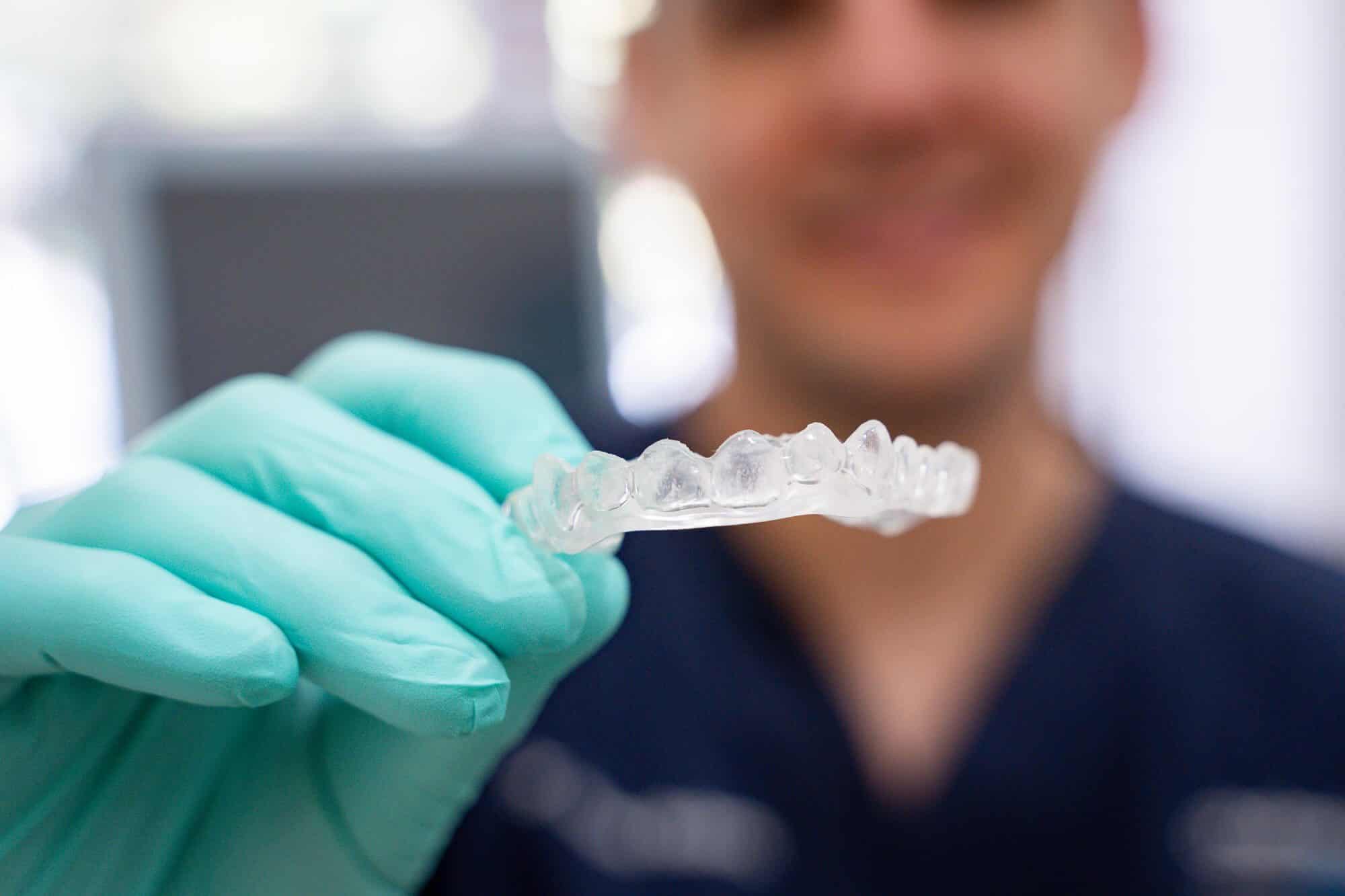
1) Custom Night Guard (Occlusal Splint)
One of the best methods to safeguard your teeth is with a custom-fitting sleep guard. It works by:
- Creating a barrier so the enamel is not grinding against the enamel
- Reducing load on teeth and restorations
- Helping jaw muscles relax in some cases
Over-the-counter boil-and-bite guards may be tempting, but they can:
- Fit poorly
- Be bulky or uncomfortable
- Occasionally worsen clenching
A custom guard (bite splint) is crafted to fit your bite, and it can be modified to fit well and be functional.
2) Addressing Bite or Alignment Issues
If teeth alignment contributes to bruxism, your dentist may recommend:
- Minor bite adjustments
- Restorative work to rebuild worn teeth
- Replacement of missing teeth if appropriate
These measures help distribute forces more evenly, reducing wear and discomfort.
3) Managing Stress and Daytime Clenching Habits
For daytime clenchers, small lifestyle changes can make a difference:
- Keep “lips together, teeth apart” as a reminder
- Avoid excessive gum chewing
- Gentle jaw stretches and heat packs
- Stress management strategies, like meditation, exercise, or counselling
Tracking triggers—screen time, posture, or stressful periods—can also help reduce jaw strain.
4) Sleep and Airway Considerations
Bruxism may be linked to poor sleep or airway obstruction. Improving sleep quality can include:
- Addressing nasal congestion
- Seeking assessment for sleep apnoea if suspected
- Sleeping in positions that reduce strain on the jaw
Lifestyle Tips to Reduce Teeth Grinding
While professional treatment is key, these habits can help support relief:
- Reduce caffeine and alcohol intake late in the day
- Do not chew pens, ice, or other hard objects.
- Practice relaxation exercises before bed
- Maintain a consistent sleep schedule
- Consider gentle jaw stretches or massages
How Long Does It Take for Symptoms to Improve?
Many patients notice improvement in:
- Morning jaw tightness
- Tooth sensitivity
- Frequency of headaches
within a few weeks of wearing a well-fitting night guard consistently.
Tooth wear that has already occurred cannot be reversed naturally, but your dentist can protect what remains and discuss cosmetic or restorative options if desired, such as crowns.
When Should You Book an Appointment?
Book a check-up if you:
- Wake with jaw pain or headaches more than once a week
- Notice new or worsening tooth sensitivity
- Have chipped, cracked, or flattened teeth
- Experience repeated filling repairs or broken dental work
- Grind loudly during sleep (as reported by a partner)
Early treatment is simpler, more comfortable, and more cost-effective.
Frequently Asked Questions (FAQ)
Do night guards really stop teeth grinding?
Yes, a well-fitted custom night guard protects teeth from damage and can reduce muscle strain, though it may not completely stop subconscious grinding.
Can bruxism damage my teeth permanently?
Yes. Long-term grinding can lead to irreversible tooth wear, fractures, and bite changes if left untreated.
Is bruxism hereditary?
There is some evidence that bruxism can run in families, but stress and lifestyle factors are usually more influential.
Can children have bruxism?
Yes. Sleep bruxism is common in children and often resolves with age, but persistent grinding should be evaluated.
Can stress reduction help stop grinding?
Managing stress through exercise, meditation, or counselling can reduce daytime clenching and improve sleep-related grinding.
Teeth Grinding Consultation in Mount Lawley
If you suspect you are grinding your teeth at night, it’s worth a professional assessment. At Chelmsford Dental Mount Lawley, we provide:
- Bite and jaw assessments
- Custom night guards
- Advice on stress management and lifestyle factors
- Restorative solutions for worn teeth
We see patients from Mount Lawley and nearby suburbs, including Highgate, North Perth, Inglewood, Maylands, and Bayswater.
Call us on (08) 6146 2555 or book online to protect your teeth and jaw before permanent damage occurs.
Visit us at 2 Chelmsford Road in Mount Lawley WA.