
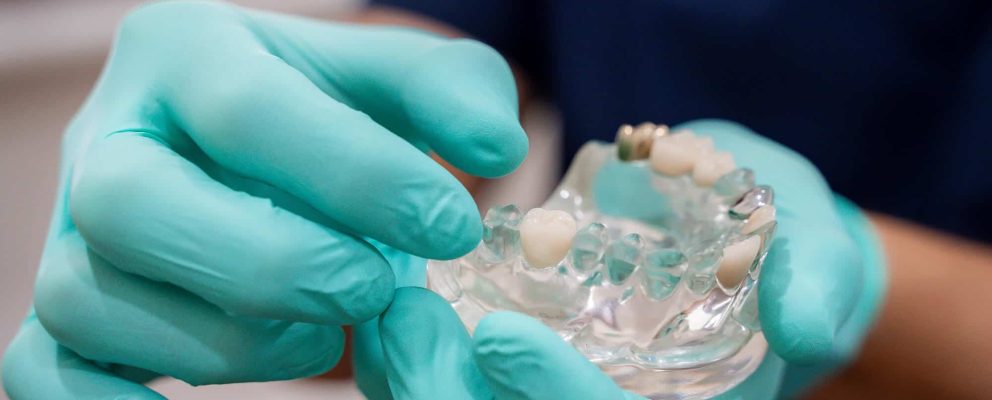
Your tooth has been through a lot — maybe a large cavity, a crack, or a root canal treatment. Now your dentist is recommending a crown, and you’re not entirely sure what that means or what to expect. It’s a common situation, and the good news is that dental crowns are among the most straightforward and reliable ways to restore a severely damaged tooth.
This guide walks you through everything you need to know before your first appointment.
What Is a Dental Crown?
It is a custom-made restoration that covers the whole visible part of a tooth, from the top to the gum line. Once placed, it restores the tooth’s shape, size, strength, and appearance, allowing it to function similarly to a natural tooth.
Crowns are typically recommended when:
- A tooth has a large cavity that a filling alone can’t adequately restore
- A tooth has been cracked or fractured
- After a root canal, a tooth needs structural support.
- A tooth is significantly worn down
- A dental implant needs a visible restoration on top
The crown essentially becomes the new outer surface of the tooth. It’s bonded in place permanently and, with proper care, can last well over a decade.
Types of Crowns Available
Not all crowns are made from the same material. The right choice depends on which tooth is being restored, how visible it is when you smile, and your individual bite and grinding habits.
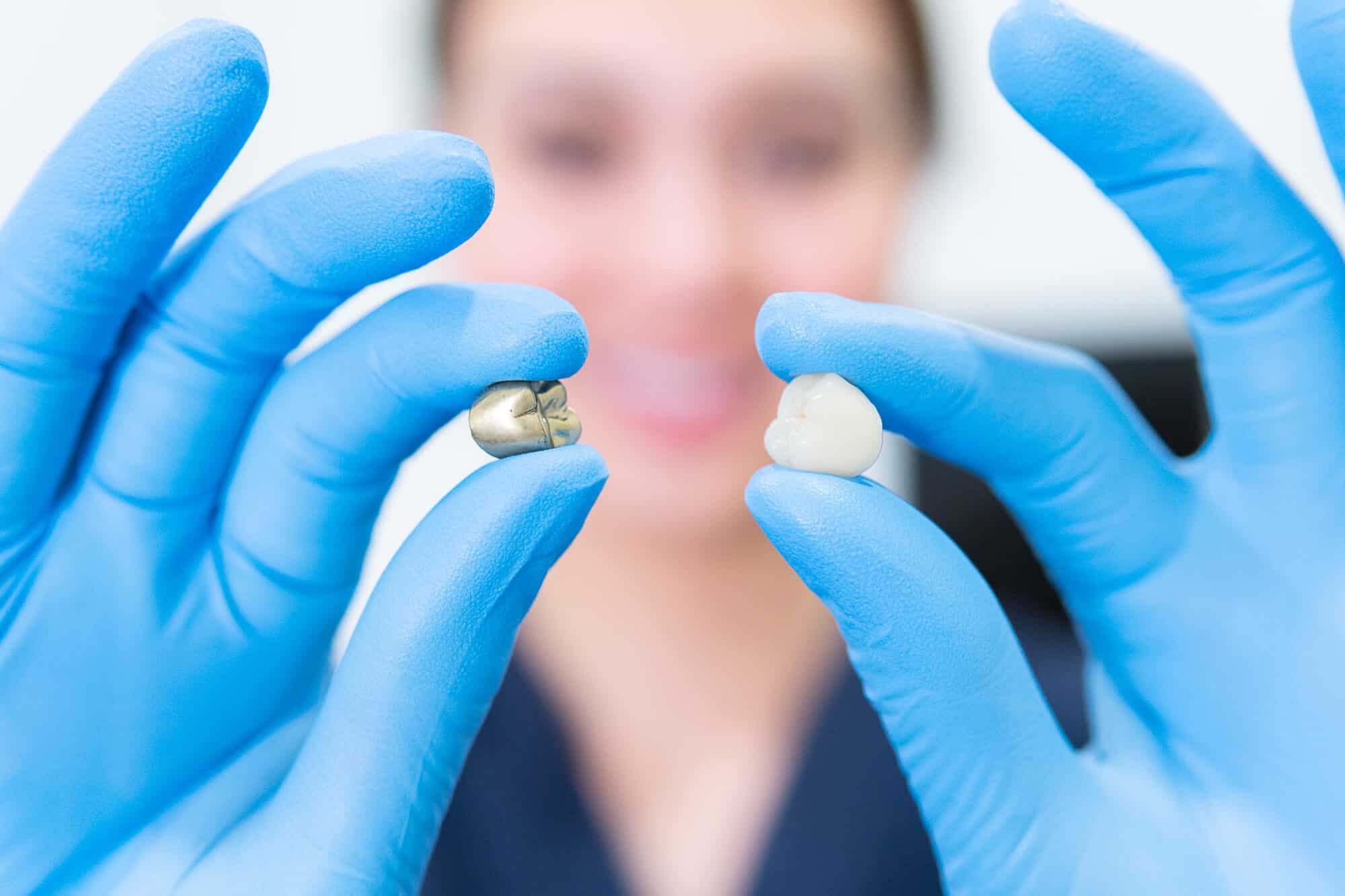
| Crown Type | Best For | Pros | Cons |
| Porcelain | Front teeth | Most natural appearance, colour-matched to surrounding teeth | Less resistant to heavy bite pressure |
| Zirconia | Front and back teeth | Strong and aesthetically pleasing, no metal content | Can be harder to adjust chairside |
| Porcelain-Fused-to-Metal (PFM) | Front and back teeth | Good aesthetics with metal strength underneath | Metal margin may show at gum line over time |
| Gold | Back molars | Extremely durable, gentle on opposing teeth | Visible gold colour |
Porcelain and zirconia crowns are the most commonly requested options today. Porcelain crowns blend naturally with the surrounding teeth and are a popular choice for visible front teeth. Zirconia crowns provide a strong yet aesthetic option, making them suitable for restoring both front and back teeth.
Gold crowns remain a practical choice for back molars where biting forces are strongest and appearance is less of a priority. They’re long-lasting and cause minimal wear on opposing teeth.
Your dentist will discuss which material is most appropriate based on the tooth’s location, your bite, and your preferences.
The Crown Procedure
Getting a dental crown typically involves two separate appointments. Here’s what happens at each stage.
First Visit: Preparation and Impression
The tooth being crowned is reshaped under local anaesthetic to create room for the crown to sit correctly. The amount removed depends on the material being used — some crowns require more reduction than others.
Once the tooth is prepared, an impression (or digital scan) is taken. This is sent to a dental laboratory where your permanent crown is custom-fabricated to blend in with the colour, size, and form of your neighbouring teeth. This process generally takes one to two weeks.
In the meantime, the prepared tooth is covered with a temporary crown to preserve the space and protect it.
Second Visit: Fitting the Permanent Crown
When your long-term crown is ready, the temporary restoration is removed and replaced with the final crown. Your dentist checks the fit, bite, and colour of the new crown before cementing it into place. Minor adjustments can be made at this stage if needed.
Most patients find the procedure straightforward. The tooth preparation is done under local anaesthetic, so discomfort during the procedure is minimal. Some sensitivity around the treated tooth in the days following is normal and typically settles on its own.
How Long Do Crowns Last?
On average, dental crowns last 10 to 15 years — and many last considerably longer with proper care. The lifespan of a crown depends on a few key factors:
- Material: Zirconia and gold crowns tend to outlast porcelain in high-pressure areas.
- Oral hygiene: While crowns protect the visible tooth structure, decay can still occur at the margin where the crown meets the natural tooth.
- Grinding or clenching: Bruxism can significantly stress crowns and shorten their lifespan.
- Diet and habits: Chewing on ice, hard lollies, or using teeth as tools can damage any restoration
Signs a crown may need attention or replacement:
- The crown feels loose or shifts when biting
- Visible chipping or cracking
- Pain or sensitivity when biting down
- Discolouration at the gum margin
- The crown has been in place for 10+ years and is showing wear
If you notice any of these, it’s worth booking a check-up rather than waiting for your next routine appointment.
Caring for Your Crown
A crowned tooth still requires the same care as your natural teeth — and in some ways, a little extra attention around the gum margin.
Daily habits that protect your crown:
- Brush twice daily with a soft-bristle toothbrush
- Floss daily, being gentle at the gum line around the crowned tooth
- It is recommended to use a non-abrasive toothpaste to help prevent scratching or damaging the crown surface.
- If you grind your teeth at night, a custom night guard significantly reduces wear on both crowns and natural teeth
- Avoid consistently chewing very hard foods (ice, hard nuts, hard lollies) or sticky foods on the crowned tooth
Regular dental check-ups allow your Mount Lawley dentist to monitor the crown’s condition, assess the margins, and address early signs of wear before they become more serious problems.
Frequently Asked Questions
Does getting a crown hurt?
The tooth preparation is performed under local anaesthesia so that you won’t feel pain during the procedure. Some patients experience mild sensitivity or soreness in the surrounding area for a few days afterwards, which typically resolves on its own.
Can a crown fall off?
It can happen, though it’s not common. If a crown comes loose, keep it safe and contact your dentist promptly. The tooth underneath is unprotected and needs to be re-covered as soon as possible.
What’s the difference between a crown and a veneer?
A veneer covers only the front surface of a tooth and is primarily cosmetic. A crown fully covers a tooth and is used when major structural repair is needed. They serve different purposes and are not interchangeable.
Does health insurance cover a dental crown?
Health fund coverage for crowns depends on your provider and the level of extras cover you have. Most major dental extras policies include some contribution towards crowns, though a gap payment is common. It’s worth checking with your fund before treatment.
What about same-day crowns?
Some dental practices offer CAD/CAM technology that allows a crown to be designed and milled in a single appointment. Availability depends on the practice and whether the case is suitable for this approach.
What is the dental crown cost in Perth?
Crown costs vary depending on the material used, the tooth being treated, and the complexity of the case. Your dentist will provide a written treatment quote before any work begins, so you know exactly what to expect.
Dental Crowns in Mount Lawley
If you’ve been told you need a crown — or you have a damaged tooth that’s been bothering you — the team at Chelmsford Dental Mount Lawley can assess your situation and walk you through your options.
We see patients from Mount Lawley and the surrounding areas of Highgate, Inglewood, Maylands, Menora, and Perth CBD. Whether you’re coming in for a routine check-up or a specific concern, we’re here to help you understand what’s involved before any treatment begins.
Call us on (08) 6146 2555 or book online. You’ll find us at 2 Chelmsford Road in Mount Lawley WA.