
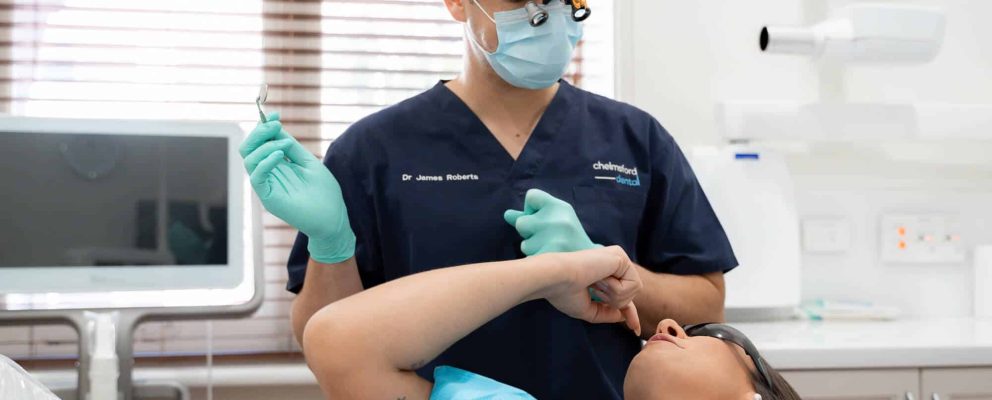
Dry mouth, also called xerostomia, happens when your mouth does not make enough saliva. Saliva protects teeth, reduces acid, and helps with swallowing and speech. When saliva flow drops, it can increase the risk of tooth decay, gum disease, and bad breath.
At Chelmsford Dental Mount Lawley, we commonly help patients manage dry mouth by identifying the cause and protecting teeth from long-term damage.
Quick Signs You Might Have Dry Mouth
You may notice:
- A dry, sticky sensation in the throat or mouth
- A dry or rough tongue
- Cracked lips or splits at the corners of the mouth
- Burning sensation in the mouth
- Bad breath
- Trouble chewing or swallowing, especially dry foods
- Waking at night needing water
- Changes in taste
- More frequent mouth ulcers
- Denture discomfort
Some people only realise they have dry mouth after they start getting more cavities or gum inflammation.
What Does Saliva Do (and Why It Matters)?
Saliva is your mouth’s built-in defence system. It helps by:
- Washing away food particles and neutralising acids
- Reducing the risk of tooth decay by balancing pH
- Protecting soft tissues from irritation and infection
- Helping you chew, swallow, and speak comfortably
- Supporting enamel strength with minerals like calcium and phosphate
When saliva is low, plaque and acids can cause damage much more quickly.
Common Causes of Dry Mouth
Dry mouth usually has an underlying cause. The most common include:
1) Medicines
Many common medicines can reduce saliva, including:
- Antidepressants and anxiety medicines
- Blood pressure medicines
- Antihistamines (allergy tablets)
- Decongestants
- Pain medicines
- Muscle relaxants
If you suspect a medication is contributing, do not stop it on your own. Speak with your GP or pharmacist about whether an alternative is available.
2) Dehydration
Not drinking enough water, heavy exercise, vomiting, diarrhoea, or fever can all cause temporary dry mouth.
3) Mouth breathing and snoring
Breathing through the mouth, especially during sleep, dries oral tissues quickly. This can overlap with blocked nasal passages, allergies, or sleep-disordered breathing.
4) Medical conditions
Dry mouth can be associated with:
- Diabetes
- Autoimmune conditions like Sjögren’s syndrome
- Thyroid conditions
- Anxiety and chronic stress
5) Smoking and vaping
Tobacco and vaping products can irritate tissues and reduce saliva flow. They also increase the risk of gum disease and oral cancer.
6) Alcohol and caffeine
Alcohol is drying, and high caffeine intake can worsen symptoms for some people.
7) Cancer treatment
Radiation therapy to the head and neck, and some chemotherapy medications, can significantly reduce saliva.
Can Dry Mouth Cause Cavities and Gum Problems?
Yes. With normal saliva flow, acids are neutralised, and enamel is constantly being repaired. In a dry mouth:
- Acids last longer after eating and drinking
- Plaque can build more quickly
- Enamel becomes more vulnerable
- The risk of decay around existing fillings and crowns increases
- Gum inflammation can become more persistent
A common pattern we see is new decay along the gumline, between teeth, or around older restorations.
Dry Mouth Treatment at Home (Simple Steps That Help)
Many people can improve comfort and reduce tooth risk with practical changes.
Hydration and habits
- Sip water regularly throughout the day
- Keep water by the bed at night
- Avoid frequent sugary drinks, sports drinks, and soft drinks (they increase cavity risk)
- Limit alcohol and high-caffeine drinks if they trigger symptoms
Stimulate saliva
- Sugar-free chewing gum (xylitol-based if tolerated)
- Sugar-free lozenges
- Crunchy vegetables with meals to increase chewing
Improve the air around you
- Use a humidifier in the bedroom if you wake up dry
- Address nasal congestion if mouth breathing is an issue
Choose oral care products for dry mouth
- Use a fluoride toothpaste (ask if a high-fluoride option is right for you)
- Choose an alcohol-free mouthwash
- Consider dry-mouth gels or sprays (especially at night)
If you are prone to cavities, prioritise fluoride and reducing frequent snacking rather than relying on “fresh breath” products.
Professional Dry Mouth Treatment Options
If symptoms persist, a dental check-up is worthwhile.
Depending on the cause and what we see clinically, treatment may include:
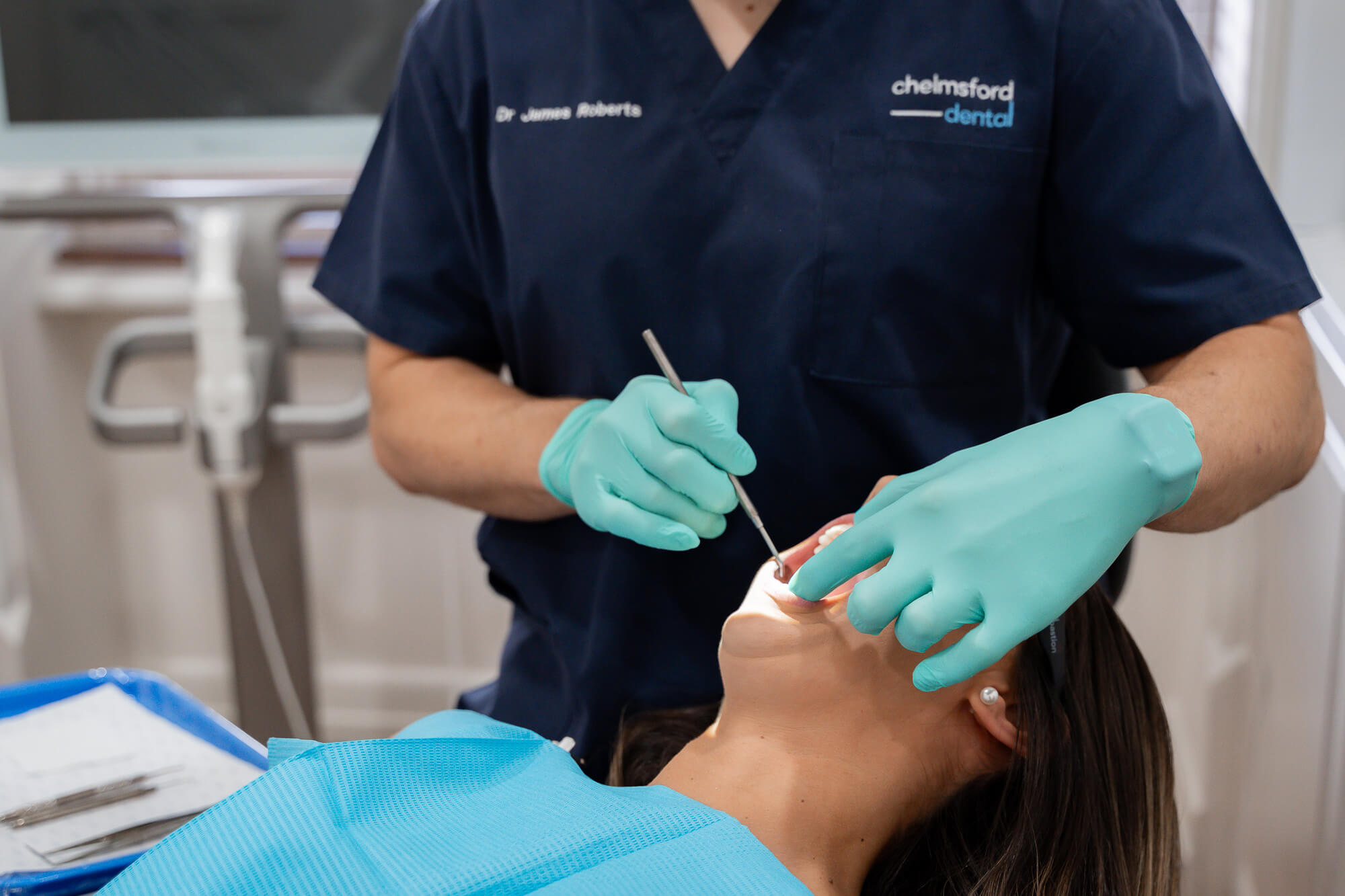
1) Exam and risk assessment
We assess:
- Existing decay or early enamel changes
- Gum health and plaque levels
- Signs of grinding, mouth breathing, or reflux
- Dry mouth severity and possible triggers
2) Preventive care to protect teeth
- Professional dental cleaning to reduce the bacterial load
- A personalised home-care plan
- Dietary advice tailored to dry mouth and cavity risk
3) Managing related issues
- If bruxism (grinding) is present, a custom mouthguard may reduce wear and sensitivity
- If reflux or mouth breathing is suspected, we may recommend a medical review
4) Saliva substitutes and prescription options
For severe cases, saliva substitutes can help. Some people may benefit from prescription medicine that stimulates saliva, depending on medical suitability and medical history. This is coordinated with a GP or specialist.
When to See a Dentist About Dry Mouth
Book an appointment if you:
- Have had a dry mouth for more than two weeks
- Wake frequently at night needing water
- Get new cavities despite brushing and flossing
- Notice persistent bad breath, mouth ulcers, or a burning tongue
- Wear dentures, and they feel uncomfortable or loose
Dry mouth is manageable, but it is important not to ignore it because dental damage can build quietly over time.
FAQ
What is xerostomia?
Dry mouth, medically known as xerostomia, is caused by decreased saliva production.
What is the best dry mouth treatment?
The best treatment depends on the cause. Many people improve with hydration, saliva-stimulating products (like sugar-free gum), and dry-mouth gels. If medicines or medical conditions are involved, you may need medical review and a tailored dental prevention plan.
Does dry mouth go away?
Sometimes. If dry mouth is due to dehydration, illness, or temporary factors, it can improve. If it is caused by medicines or chronic health conditions, you may need ongoing management.
Can dry mouth cause bad breath?
Yes. Low saliva can allow bacteria to build up more easily, which can contribute to bad breath.
Book a Dry Mouth Consultation in Mount Lawley
If you are experiencing dry mouth or suspect xerostomia, our team at Chelmsford Dental Mount Lawley can help identify the cause, reduce discomfort, and protect your teeth long-term. We proudly welcome patients from Highgate, North Perth, Inglewood, Maylands, and Bayswater.
Call (08) 6146 2555 or book online. Visit us at 2 Chelmsford Road in Mount Lawley WA.
This article is general information and does not replace personalised medical advice. If symptoms are severe or sudden, seek medical care promptly.


